







Why do dark spots appear after summer?
Skin color is partly determined by melanin, a pigment produced by specialized cells in the epidermis called melanocytes.
When skin is exposed to ultraviolet radiation, melanocyte activity increases and more melanin is produced. This pigment is then transferred to keratinocytes, the most abundant cells in the epidermis.
When melanin production becomes excessive or its distribution becomes uneven, some areas of the skin appear darker. This is known as hyperpigmentation.
After summer, these differences can become more noticeable as the tan begins to fade. Repeated UV exposure, as well as certain inflammatory processes such as blemishes, can contribute to this phenomenon.

Dark spots: how can you help restore a more even-looking complexion?
1. Maintain daily sun protection
Sun protection remains the most important step in helping prevent existing pigmentation from becoming more pronounced.
Sun protection remains the essential step to help prevent pigmentation irregularities from becoming more pronounced. Even after summer, UV rays are still present and can contribute to skin photoaging and pigmentation concerns.
Daily use of a broad-spectrum sunscreen therefore helps protect the skin and limit the appearance of new visible pigmentation.
2. Exfoliate carefully
Epidermal cells gradually renew and move toward the surface of the skin.
Appropriate exfoliation helps remove dead cells from the stratum corneum and visibly smooth skin texture. Alpha hydroxy acids, or AHAs, such as citric acid, help promote superficial exfoliation.
Over-exfoliating can weaken the skin barrier, however, so consistency and moderation are key.
3. Support hydration and the skin barrier
Sun exposure, heat, frequent swimming, and air conditioning can leave skin feeling more dehydrated after summer.
Maintaining proper hydration helps support skin suppleness and comfort. A smoother skin surface also reflects light more evenly, helping the complexion look naturally more radiant.
Should you also clarify your skin after summer?
Not necessarily. Clarifying the skin does not directly affect melanin production and is therefore not a specific step for treating pigmentation concerns.
However, if the skin also shows excess oil, visible pores, or blemishes, a clarifying treatment can be added occasionally to the routine.

Your post-summer skincare routine
Morning: hydrate the skin with products suited to its needs, then finish with SPF50 sun protection.
Evening: cleanse thoroughly, then apply a serum and moisturizer suited to your skin.
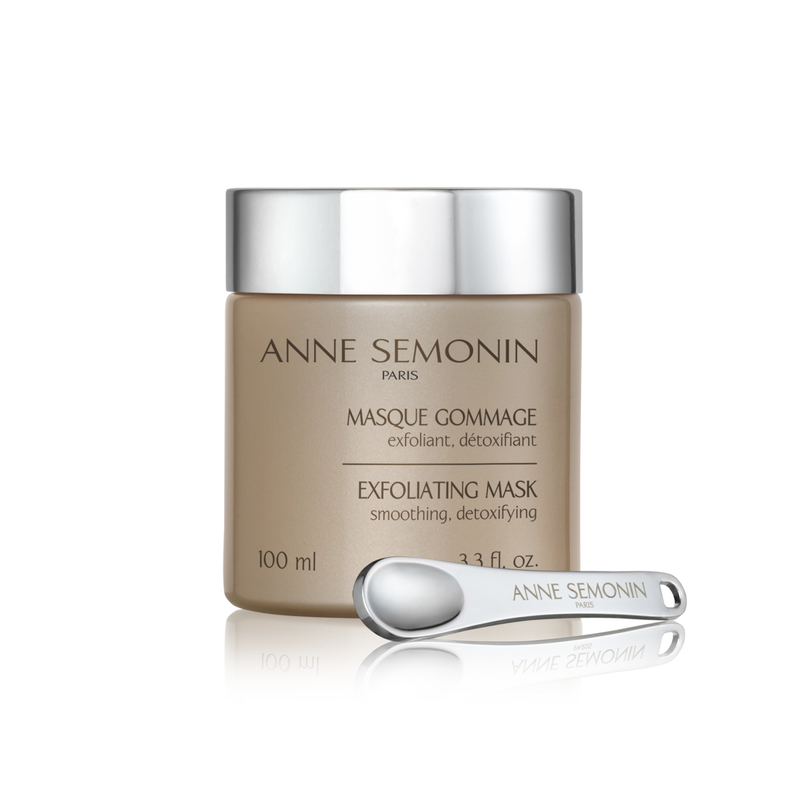
Once a week: incorporate an appropriate exfoliating treatment. If the skin also shows excess oil or blemishes, alternate occasionally with a clarifying mask.
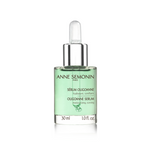
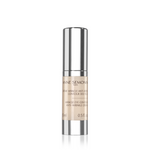
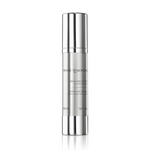
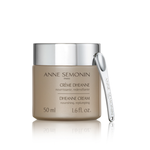
Anne Semonin essentials

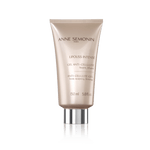
Soleil Protect Cream SPF50
Broad-spectrum UVA and UVB protection to apply as the final step of your morning skincare routine.

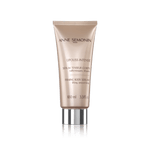
Resurfacing Peel Mask
A triple-action exfoliating mask combining AHAs, enzymatic exfoliation, and perlite to help remove dead skin cells, refine skin texture, and revive radiance.

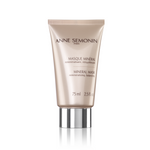
Mineral Mask
Use occasionally when the skin also shows excess shine, visible pores, or blemishes.