








Dry skin
A more persistent tendency, often associated with insufficient lipids and a skin barrier that is less effective at retaining water.
Dehydrated skin
A generally temporary condition caused by a lack of water in the skin’s superficial layers, which can affect every skin type.
How can you recognize dry skin?
Dry skin generally lacks suppleness and comfort on a fairly consistent basis. Its barrier function may be less effective at limiting water evaporation, particularly when the quantity or organization of lipids in the stratum corneum is insufficient.
Common signs can include:
- regular feelings of tightness;
- a rougher skin texture;
- lack of suppleness;
- areas of flaking;
- a duller complexion;
- discomfort worsened by cold weather, wind, or overly harsh cleansing.
Dryness is therefore not simply a question of how much water is present in the skin: the skin barrier’s ability to retain that water is just as important.

How can you recognize dehydrated skin?
Dehydration is more accurately described as a temporary lack of water in the superficial layers of the epidermis.
The skin may feel tight after cleansing, appear less plump, and show small dehydration lines. The complexion may also look duller or less fresh.
Can oily skin be dehydrated?
Yes.
This is a common source of confusion: skin can appear shiny through the T-zone while still lacking water. It can therefore show excess sebum, blemishes, tightness, and fine dehydration lines at the same time.
In this case, automatically reaching for very rich skincare is not necessarily the answer. The goal is to provide hydration while choosing a texture suited to the skin type.
Why does skin become more dehydrated in winter?
In winter, several factors can disrupt the skin’s balance: lower temperatures, drier air, indoor heating, wind, and repeated changes between indoor and outdoor environments.
When the skin barrier is less effective at retaining water, transepidermal water loss can increase. The skin may then appear less supple and feelings of tightness can become more noticeable.
This is why a skincare routine that works perfectly well in summer may sometimes become insufficient as temperatures drop.

Should you hydrate or nourish your skin?
It depends on what your skin is actually lacking.
If your skin is dehydrated: focus on hydration
Humectant ingredients such as hyaluronic acid and glycerin help retain water in the superficial layers of the skin. Combination or oily skin that is dehydrated will generally benefit from lighter textures that provide hydration without feeling heavy.
If your skin is dry: support the skin barrier too
Dry skin benefits from formulas that combine moisturizing agents, emollients, and lipids to improve comfort and help limit water loss. Ingredients such as squalane, plant oils, and shea butter can help soften and nourish the skin.
What if your skin is both dry and dehydrated?
There is no need to choose between the two. For example, you can combine a hydrating serum with a richer nourishing cream to address both water loss and skin barrier comfort.
Which Anne Semonin skincare products should you choose?

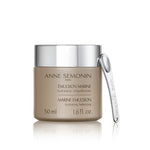
Combination to oily but dehydrated skin: Marine Emulsion
With its ultra-lightweight, non-greasy texture, Marine Emulsion provides hydration and comfort to combination and oily skin without weighing it down.
Its formula combines ingredients including hyaluronic acid, squalane, shea butter, and algae extracts.
–37.38% transepidermal water loss, helping support the skin barrier

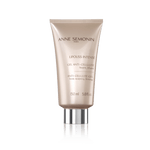
Dry to very dry skin: Extreme Comfort Cream
When skin persistently lacks comfort, Extreme Comfort Cream provides a rich, enveloping texture designed to nourish, hydrate, and comfort dry to very dry skin.
Its formula combines ingredients including macadamia oil, shea butter, peach kernel oil, and brown algae to nourish, soften, and help maintain skin comfort, particularly when the skin is challenged by cold weather or wind.
Rather than choosing a skincare product simply because your skin feels tight, it is important to identify the source of the discomfort. Dehydrated skin primarily needs water and ingredients that help retain it. Dry skin also requires lipid support to help preserve its barrier function and comfort. And when skin is both dry and dehydrated, the most appropriate approach is to combine hydration and nourishment while always adapting textures to your skin type.