






Everything You Need to Know About SPF: Understanding UV Filters and Daily Skin Protection
The sun is part of our balance in life. It comes with the warmer days, brightens the complexion, and is often associated with a sense of well-being. Yet repeated exposure, without suitable protection, can have visible effects on the skin over time.
Ultraviolet rays, or UV rays, play a role in the gradual appearance of visible signs such as wrinkles, loss of firmness, dark spots, and uneven skin tone. This process is known as photoaging.
A better understanding of the role of SPF, the difference between UVA and UVB rays, and how UV filters work makes it easier to adopt the right daily habits to protect the skin and help preserve its radiance.


Why Does the Sun Influence Skin Aging?
Sun exposure is one of the main external factors that accelerates visible skin aging. Over time, UV rays can affect the skin’s appearance and contribute to the development of visible signs associated with repeated exposure.
Under the effects of the sun, the skin may gradually:
- lose suppleness,
- appear less firm,
- develop dark spots,
- show a less even-looking complexion.
Even without sunburn, and even in the city, daily exposure can have a gradual impact. That is why sun protection is not limited to holidays or days spent at the beach: it should be part of an overall skincare routine.
What Is the Difference Between UVA and UVB Rays?
Sunlight is made up of several types of ultraviolet rays. The two main ones to know are UVA and UVB.
- UVB rays: these mainly affect the surface of the skin. They are the rays most commonly associated with sunburn. They also play a major role in the effects linked to excessive sun exposure.
- UVA rays: these penetrate more deeply into the skin. They are particularly involved in the visible effects of photoaging, as they gradually contribute to changes in the skin’s appearance over time.
UVA rays are present year-round and can pass through clouds as well as glass. That is why daily sun protection can be helpful, even when sunshine appears moderate.


What Is SPF?
SPF stands for Sun Protection Factor. It indicates the level of protection provided against UVB rays.
In practical terms, the higher the SPF, the greater the protection against UVB rays under defined test conditions. SPF 50, for example, corresponds to a high level of sun protection.
That said, it is important to remember that even a high SPF does not mean it is safe to expose the skin to the sun without precautions. The actual level of protection also depends on the amount applied, how often it is reapplied, and the conditions of exposure.
Why Wear Sun Protection Every Day?
Sun protection is often associated with summer, vacations, or direct exposure to bright sunlight. In reality, UV rays are present well beyond these situations.
On a daily basis, repeated exposure can contribute to:
- making wrinkles appear more pronounced,
- encouraging the appearance of dark spots,
- dulling the complexion’s radiance,
- making skin texture appear less even.
Including an SPF product in your morning routine is a simple step that can help protect the skin day after day.
Which Sun Protection Should You Choose for Daily Use?
For everyday use, it is often best to choose a formula that is:
- broad-spectrum UVA/UVB,
- high SPF,
- comfortable to wear,
- easy to incorporate into your skincare routine.
Texture also matters. A sunscreen that feels pleasant to apply encourages regular use, which is essential for daily protection.


Our Soleil Protect Cream SPF 50
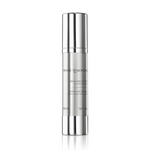
Anne Semonin introduces its Soleil Protect Cream SPF50, a skincare product designed to help protect the skin every day while preserving comfort.
Its formula provides broad-spectrum protection against UVA and UVB rays. It can be used on its own or alongside your usual face cream, depending on the needs of your skincare routine.
Its lightweight texture spreads easily, absorbs quickly, and leaves a comfortable finish, with no white cast and no greasy or sticky feel.
Designed to support the skin on a daily basis, this formula combines sun protection with application comfort, making it easy to incorporate this essential step into your beauty routine.
How Do UV Filters Work?
Sun care products use filters to help limit the impact of ultraviolet rays on the skin.
There are generally two main types of filters:
- Mineral filters: these help protect the skin by forming a barrier on its surface.
- Organic filters: these absorb UV energy in order to reduce its impact on the skin.
Today, many formulas combine different filters to provide effective sun protection while also offering a pleasant texture for everyday wear.
Some sunscreens also include skincare ingredients, such as moisturizing agents, to help maintain skin comfort during exposure. For example, our Soleil Protect Cream contains glycerin, which helps maintain skin hydration during exposure.
What Is Your Skin’s Sun Capital?
The term sun capital is often used to describe the skin’s ability to cope with sun exposure throughout life. This concept is a reminder that the effects of the sun are cumulative.
In other words, every exposure counts. When the skin is regularly exposed without appropriate protection, visible effects can gradually appear over time.
The goal is not to avoid the sun entirely, but to adopt more mindful habits:
- choose suitable sun protection,
- apply the product in a sufficient amount,
- reapply regularly during prolonged exposure,
- complement protection with simple measures such as wearing a hat, sunglasses, or seeking shade during the strongest hours of the day.
How Should You Use Sun Protection Correctly?
For a sun care product to be effective, the way it is applied plays an essential role. Here are a few habits to adopt:
- apply sun protection before exposure,
- reapply frequently during prolonged exposure,
- reapply after swimming, sweating, or towel drying,
- do not reduce other protective measures.
Sun protection should always be part of a broader approach to preventing excessive sun exposure.
Sun Protection: An Essential Daily Step
Protecting your skin from the sun is not just a seasonal reflex. It is an everyday step that helps preserve the skin’s appearance against the visible effects of sun exposure.
When used regularly, suitable sun protection help
- the complexion’s radiance,
- skin evenness,
- skin comfort,
- the skin’s overall appearance over time.
Taking care of your skin every day also means giving it the best conditions to remain visibly beautiful, radiant, and comfortable over time.
FAQ
Does SPF also protect against UVA rays?
SPF primarily indicates the level of protection against UVB rays. For more complete protection, it is important to choose a broad-spectrum formula that also helps protect against UVA rays, such as our Soleil Protect Cream SPF50.
Can sunscreen help prevent visible signs of skin aging?
Suitable sun protection helps protect the skin from the visible effects of UV exposure, which contributes to skin photoaging.
Should you wear sunscreen every day?
Yes, daily sun protection can be beneficial because UVA rays are present year-round, even on cloudy days, and can affect the skin gradually over time.
Do UVA rays pass through windows?
Yes, UVA rays can pass through glass. That is why daily sun protection can be relevant, even in the city or indoors near a window.
Shop now